
Five Ways to Boost Early Reading — With or Without a Book
You can help your child grow into a curious, confident reader — even when there’s no book around.
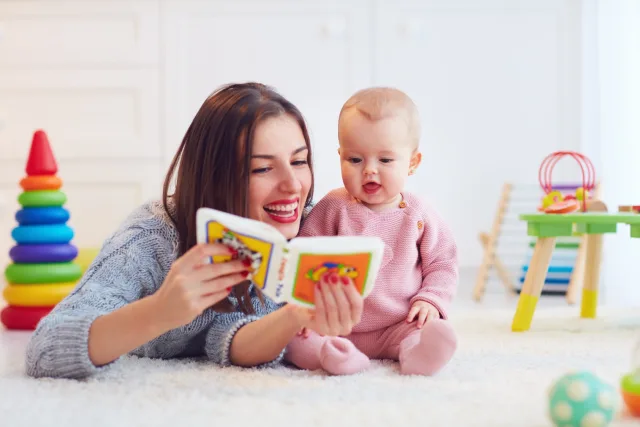
Books are wonderful, but they’re just one part of learning to read. The good news? You already have everything you need. Whether you’re singing in the car, chatting at the grocery store or pointing out letters on a juice box, you’re helping your child build strong language skills.
You don’t need special toys or expensive materials. You just need you. Reading and language are part of everyday life. With a little effort, ordinary moments can turn into powerful learning opportunities.
Here are five simple, low-cost ways to build your child’s early reading skills right now:
1. Talk Through Your Day
Every diaper change, snack break, or walk to the mailbox is a chance to teach. Narrate what you’re doing in the moment: “Now I’m opening the fridge. Let’s get the milk.” The more words children hear, the more their brains grow. These small chats build vocabulary, listening skills and confidence. Talking is teaching.
2. Sing Songs and Say Rhymes
Songs and rhymes teach rhythm, repetition, and the sounds of language — all key for learning to read. And don’t worry, you don’t need to be a great singer. Try favorites like Itsy Bitsy Spider or make up your own silly songs during bath time or clean-up. Singing slows down language, making it easier for children to hear the parts of words.
3. Play With Packaging
Your kitchen is full of letters and words — on cereal boxes, milk jugs, and soup cans. Ask your child to find the letter “M” on the milk carton. Point out the colors and shapes of logos. Everyday items can become learning tools and they keep little hands busy while you cook.
4. Tell Stories Without Books
Some of the best stories come from your imagination or family history. You could say, “When I was little, we had a dog named Max who loved peanut butter.” Or let your child make up a story about a superhero cat or a magical truck. Storytelling builds creativity, vocabulary and listening skills. It also brings families closer and makes for great dinner-table fun.
5. Label Your World
Use sticky notes, painter’s tape, or scrap paper to label things in your home — doors, chairs, tables, toy bins. Say the words and sound them out together. Seeing words in context helps children understand that letters form words and words carry meaning. It’s a simple but powerful reading tool.
Every Page Counts. Every Moment Matters.
Help your child build a strong foundation for a lifetime of learning – starting with a story today.
Read Similar Articles
View All
August 18, 2025
What to Expect on Your Child’s Literacy Journey

August 18, 2025
Five Ways to Boost Early Reading — With or Without a Book
August 18, 2025
Building Brains from Birth, One Story at a Time
August 18, 2025