
How Extracurricular Activities Support School-Age Development
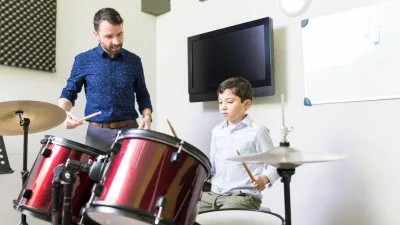
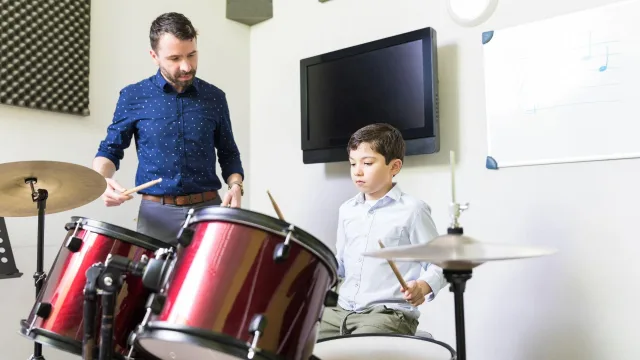
As children grow, their learning doesn’t stop when the school day ends. Extracurricular activities — whether sports, arts, academic clubs or community service — can play a vital role in a child’s development. They provide opportunities for kids to explore their interests, build social skills and develop important life habits that will benefit them well into adulthood.
1. Developing Independence and Responsibility
Extracurricular activities teach kids how to manage their commitments. Whether it’s showing up to practice on time, remembering to bring the right materials or preparing for a competition, these small responsibilities help children build independence. Learning to balance school, activities and personal time strengthens accountability and time management skills — lessons that will serve them throughout life.
2. Expanding Social Skills and Teamwork
Outside of the classroom, extracurriculars give kids a chance to interact with peers who share similar interests. These activities encourage teamwork, communication and conflict resolution. Whether they’re working on a group project, playing in a band or competing in a sports tournament, kids learn how to collaborate and support each other.
3. Strengthening Emotional and Mental Well-Being
Participating in activities outside of school helps kids develop confidence and resilience. Learning a new skill, practicing a hobby or competing in an event can be both exciting and challenging. Overcoming setbacks — like losing a game or struggling with a difficult piece of music — teaches perseverance and builds self-esteem. Extracurricular activities also provide an outlet for stress, offering kids a fun and engaging way to unwind after a long day.
4. Encouraging Exploration and Passion
Not all learning happens in a classroom. Extracurricular activities allow kids to explore subjects and hobbies that may not be covered in school, such as coding, theater, dance or entrepreneurship. These experiences can ignite a lifelong passion, help them discover hidden talents and even influence future career choices. Trying different activities allows kids to learn more about themselves and what excites them.
5. Enhancing Academic Success
While it may seem like extracurriculars take time away from homework, research shows that kids who participate in structured after-school activities often perform better academically. Many programs reinforce skills like problem-solving, creativity and discipline, all of which translate into improved classroom performance. Activities that require focus, such as chess or debate, can also strengthen cognitive skills and critical thinking.
How to Choose the Right Extracurricular Activity
Every child is unique, and not all activities will be the right fit. Here are some tips to help you and your child choose the best options:
1. Follow their interests.
Start by asking your child what they enjoy. Do they love being active? A sport might be a great choice. Are they creative? Art or theater programs could be a perfect match. Encouraging their natural interests makes it more likely that they’ll stay engaged and committed.
2. Keep it balanced.
Extracurriculars should be enriching, not overwhelming. Consider your child’s school workload and personal downtime to ensure they don’t feel over-scheduled. A good balance between structured activities and free play is key to healthy development.
3. Look for high-quality out-of-school programs.
Check the credentials of the instructors, the structure of the program and the overall environment. Whether it’s a school club, a community program or a private class, make sure it offers a supportive and positive experience for your child.
4. Be open to change.
Our interests evolve over time, and that’s okay! If your kids try an activity and don’t enjoy it, encourage them to explore other options. Finding the right extracurricular can be a journey, and flexibility is key.
Supporting Your Child’s Growth Beyond the Classroom
Extracurricular activities do more than fill time after school — they help children grow in confidence, skill and character. By encouraging participation in activities that align with their interests, you’re giving them valuable experiences that will shape their future.
Looking for ways to get started? Many schools, libraries and community centers offer affordable or free programs for school-age children. Explore local opportunities to help your child find an extracurricular activity that excites and inspires them!
Brought to you by Indiana Afterschool Network.